
Winter helicopter tours in Norway offer a remarkable perspective on the fjords, mountains and glacier-shaped valleys of Western Norway. From the air, snow-covered peaks rise above dark fjord water, while settlements and roads appear small within the vast landscape. A private sightseeing flight makes it possible to appreciate this scale without undertaking a demanding winter hike, ski tour or long journey on seasonal roads.
Fjord Helikopter AS operates scenic passenger flights around Stryn, Loen, Olden, Nordfjordeid, Nordfjord and surrounding areas. Every winter flight depends on suitable weather, visibility, daylight and operational conditions. When these elements align, a helicopter tour provides an efficient and memorable way to experience the region during its quietest and most atmospheric season.
Can You Take a Helicopter Tour in Norway During Winter?
Helicopter sightseeing can be available in Norway throughout winter, but flights must be planned around the season’s changing conditions. Short daylight hours, snow, wind, low clouds and reduced visibility can all affect when and where it is possible to fly.
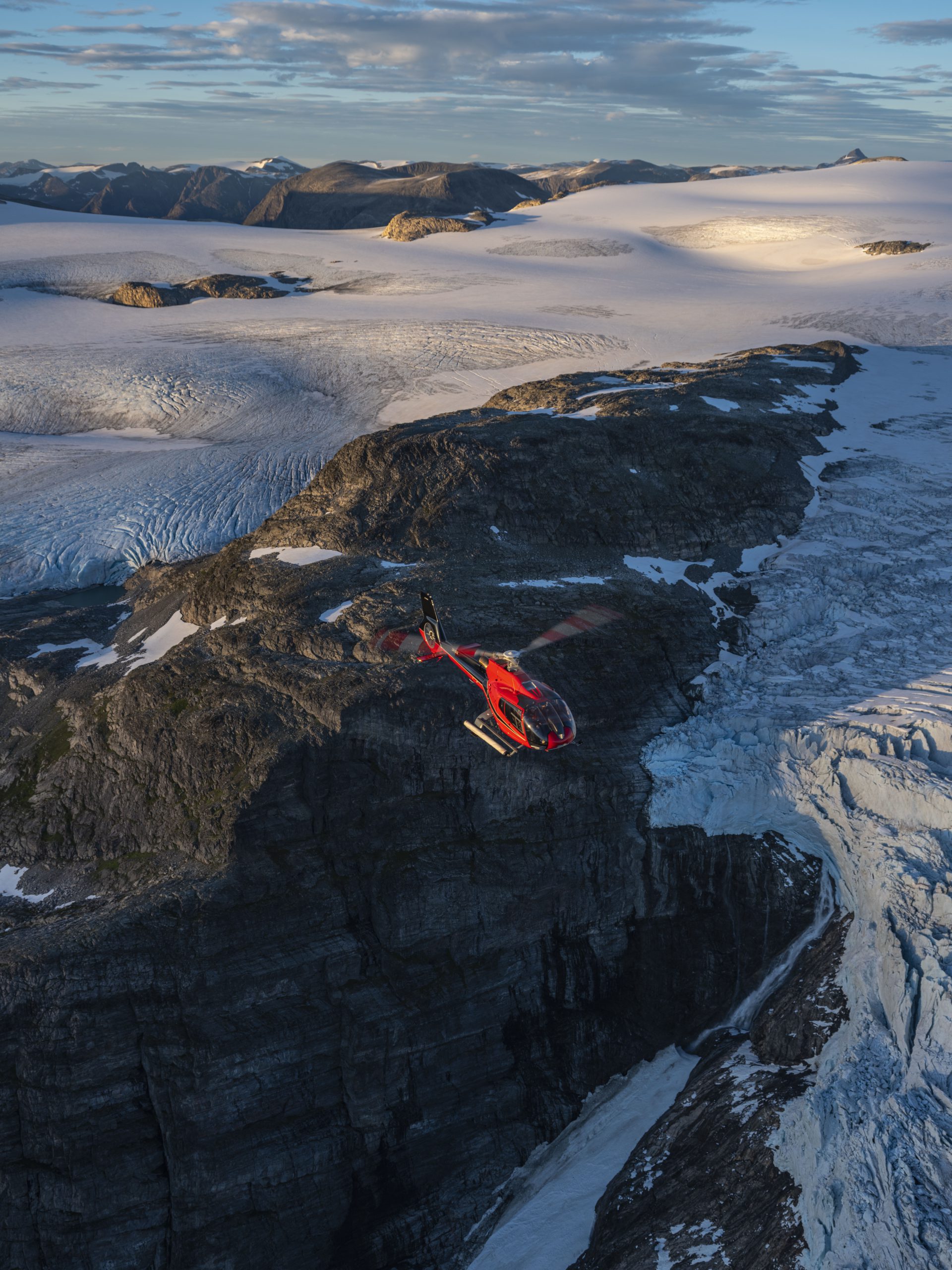
Safety is always the priority, and the pilot determines whether the flight can proceed as planned. Conditions may require a delayed departure, an adjusted route or rescheduling to another suitable time. For this reason, no operator can guarantee a particular attraction, view or departure time when flying in mountainous winter terrain. Fjord Helikopter offers free cancellation during winter if a flight cannot proceed because of bad weather.
Local flexibility is especially valuable around Stryn and Nordfjord, where conditions can vary considerably between the fjord, inland valleys and higher elevations. Low cloud may obscure one area while another remains clear. Instead of treating every departure as an identical tour, the available route can be assessed according to the conditions on the day.
Why Fly During the Winter Season?
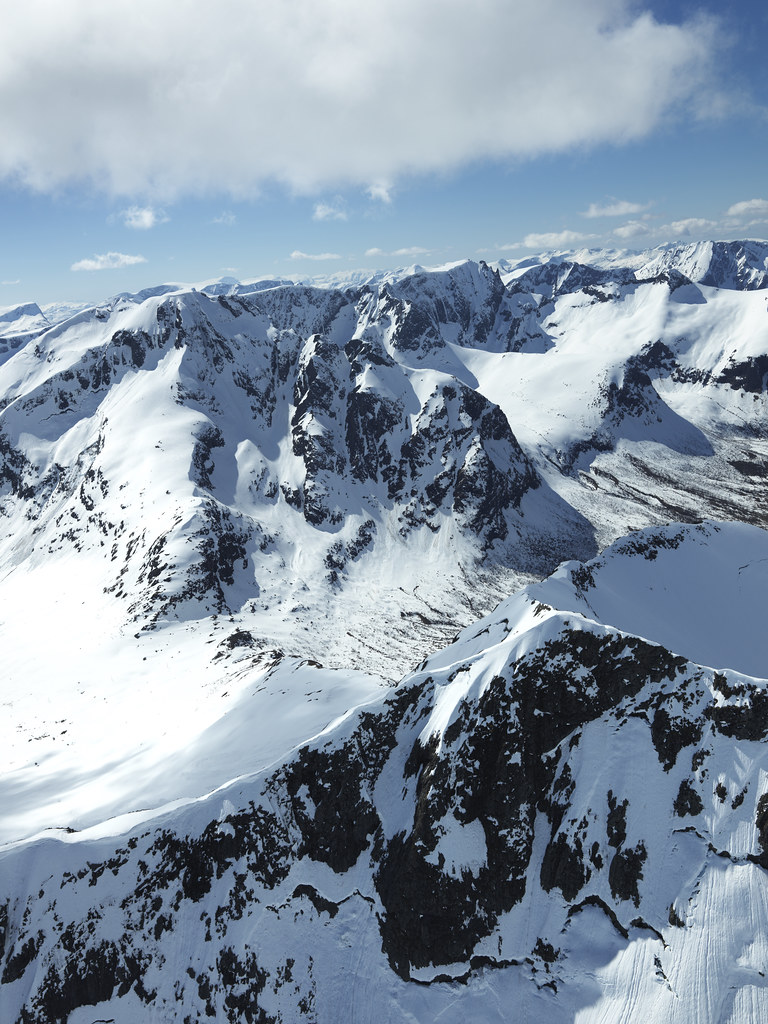
Winter transforms both the appearance and atmosphere of Western Norway. The region is generally quieter than during the busiest travel periods, while snow emphasizes the contours of ridges, valleys and shorelines. Low winter light can illuminate individual peaks and leave nearby slopes in deep blue shadow, creating scenes that differ significantly from the green landscapes of summer.
A helicopter also provides an alpine perspective without requiring a lengthy ascent on foot or skis. It does not replace exploring the landscape at ground level, but it offers an accessible alternative for visitors who want to understand how the fjords, mountains and valleys connect.
Fjord Helikopter operates Airbus H125 and H130 helicopters. The H130 can accommodate up to seven passengers and may be suitable for private families and small groups, depending on the planned operation. Its enclosed tail rotor is designed to reduce external noise compared with many conventional tail-rotor systems.
What Do the Norwegian Fjords Look Like from Above in Winter?
The most striking feature is often the contrast between snow and water. Deep fjords can appear almost black beneath pale winter skies, while white mountains rise sharply from the shoreline. Farms, villages and roads become small reference points in terrain shaped over time by ice, rock and water.
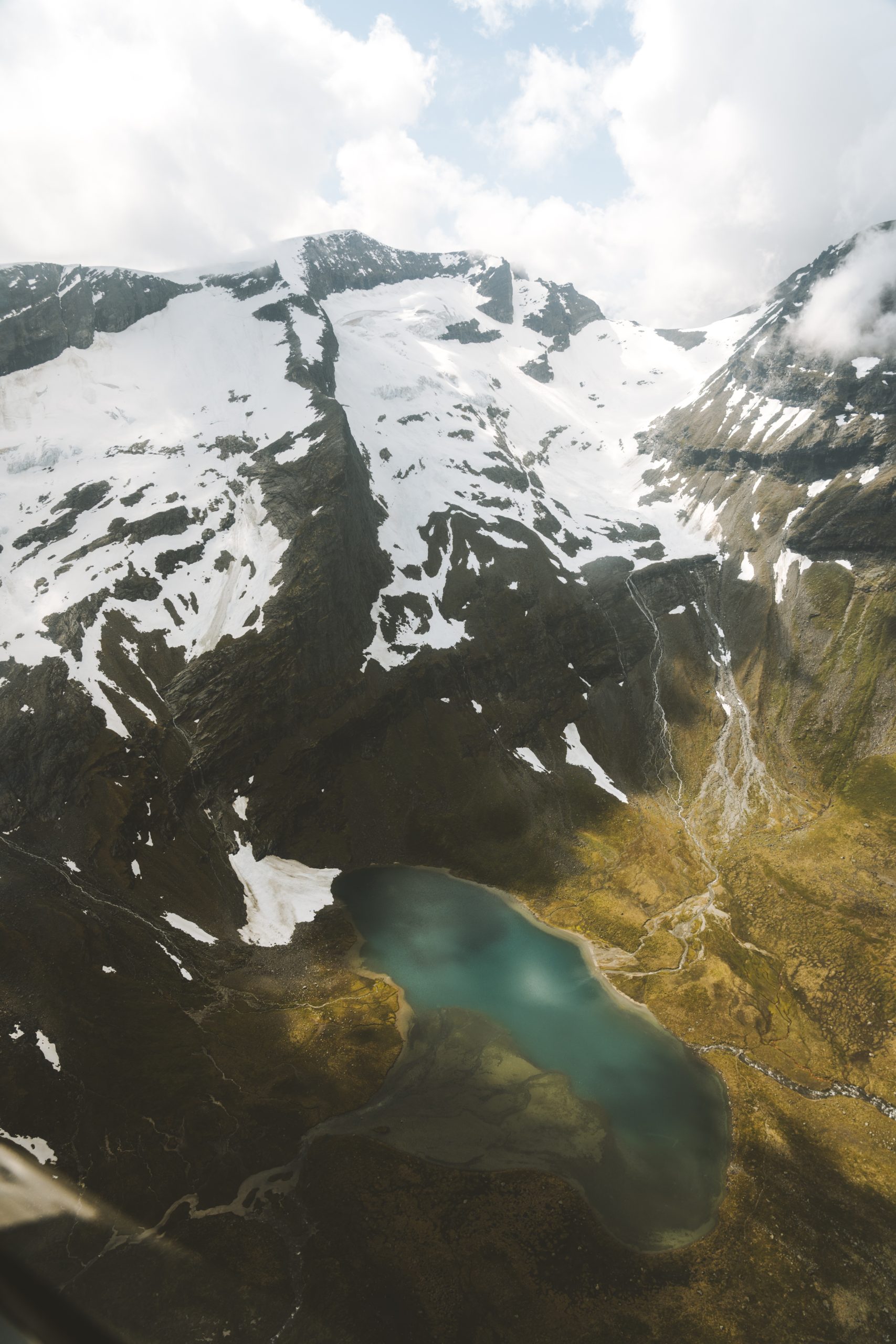
Snow simplifies the landscape visually while revealing its structure. Ridges become more sharply defined, valleys appear broader and tracks across higher terrain emphasize its remoteness. From a helicopter, passengers can see how fjord arms, lakes, mountain passes and inhabited valleys form one connected landscape.
Water and ice conditions vary across the region. Larger fjords generally retain their dark, open-water character, while smaller lakes, sheltered waterways and shallow edges may freeze partially or completely after sustained cold weather. The resulting patterns can be spectacular, although they cannot be predicted far in advance.
White Valleys, Glaciers and Winter Waterfalls
Lodalen and Oldedalen take on a particularly quiet character in winter. Snow may cover fields, forests and mountain slopes, contrasting with exposed rock and the darker surfaces of lakes and fjords. Their glacier-shaped form is easy to appreciate from above, especially where the valleys extend from high mountain terrain toward the coast.
Glaciers and surrounding snowfields may appear to merge into the wider winter landscape. Crevasses, textures and glacier boundaries can be more or less visible depending on fresh snow, light and viewing conditions. An aerial view provides valuable geographical context, but individual glacier features will not be equally distinct on every flight.
Waterfalls also change with the season. Some continue flowing through snow-covered cliffs, while others become partly frozen or carry less water. Ice formations may develop along rock faces and watercourses, creating details that are absent during warmer months.
Winter is also rewarding for photography. White slopes, dark water, blue shadows and occasional warm sunlight create a restrained color palette with strong natural contrast. Cameras and phones should be prepared before departure, as changing settings or handling unnecessary equipment during the flight can be distracting.
Which Fjords, Mountains and Glaciers Might You See?
Winter helicopter tours in Fjord Helikopter’s core region may focus on Stryn, Loen, Olden, Nordfjord and nearby mountain landscapes. The exact area depends on the selected sightseeing option, current conditions and operational planning. Named landmarks should therefore be considered possible highlights rather than guaranteed inclusions.
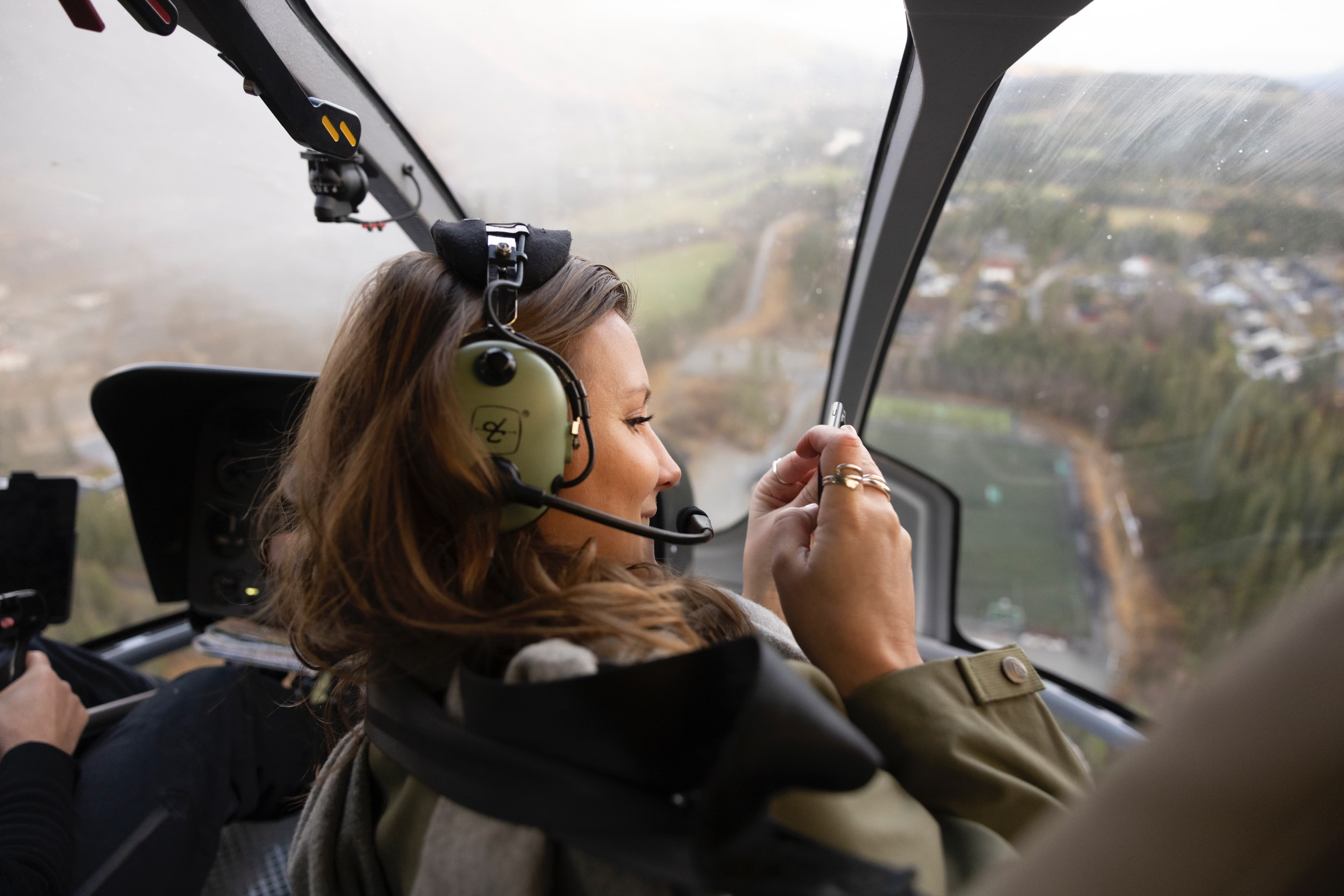
A flight around Loen and Stryn may reveal the relationship between Nordfjord, Lovatnet, Lodalen and the surrounding peaks. Olden and Oldedalen offer another dramatic transition from fjord-level communities to glacier-shaped mountain terrain. Visitors spending more time in the area can combine the flight with other experiences and viewpoints in Stryn.
Depending on the route and visibility, passengers may see landscapes around Jostedalsbreen, Briksdalsbreen, Kjenndalen, Kjenndalsbreen, Skåla or Skålatårnet. Travelers particularly interested in this terrain can learn more about helicopter flights to Kjenndalen and Skålatårnet. Snow cover, cloud level and light will influence how easily individual features can be identified.
Nordfjordeid and the wider Nordfjord landscape may also be relevant to certain routes and itineraries. Its location between the fjord and surrounding mountain systems provides a useful gateway to the region, as explained in this guide to seeing Nordfjordeid by helicopter.
Destinations farther away, including Geirangerfjord, the Seven Sisters and Dalsnibba, are not automatically included in a sightseeing flight around Stryn or Nordfjord. Reaching them requires a route planned specifically for that area. When making an inquiry, it is therefore better to explain which type of scenery matters most to you rather than assume that several distant attractions can be combined in one departure.
Choose the Experience Rather Than a Checklist
A useful way to plan a winter helicopter tour is to describe the landscape you most want to experience. Some guests prioritize fjords and lakes, while others are interested in glaciers, mountains or photography. Sharing these preferences allows the operator to discuss a suitable option without creating unrealistic expectations about a fixed list of landmarks.
Winter sightseeing is often most rewarding when the landscape is viewed as a whole. Seeing how the fjord connects with settlements, inland valleys, glaciers and high mountain terrain can be more compelling than briefly passing one named attraction. This geographical overview is one of the principal advantages of traveling by helicopter.
Who Is a Winter Helicopter Tour Suitable For?
A private winter flight can suit couples looking for a distinctive experience during a Norwegian holiday, anniversary trip or winter break. It does not require advanced outdoor skills, although all passengers must be able to follow the operator’s safety instructions.
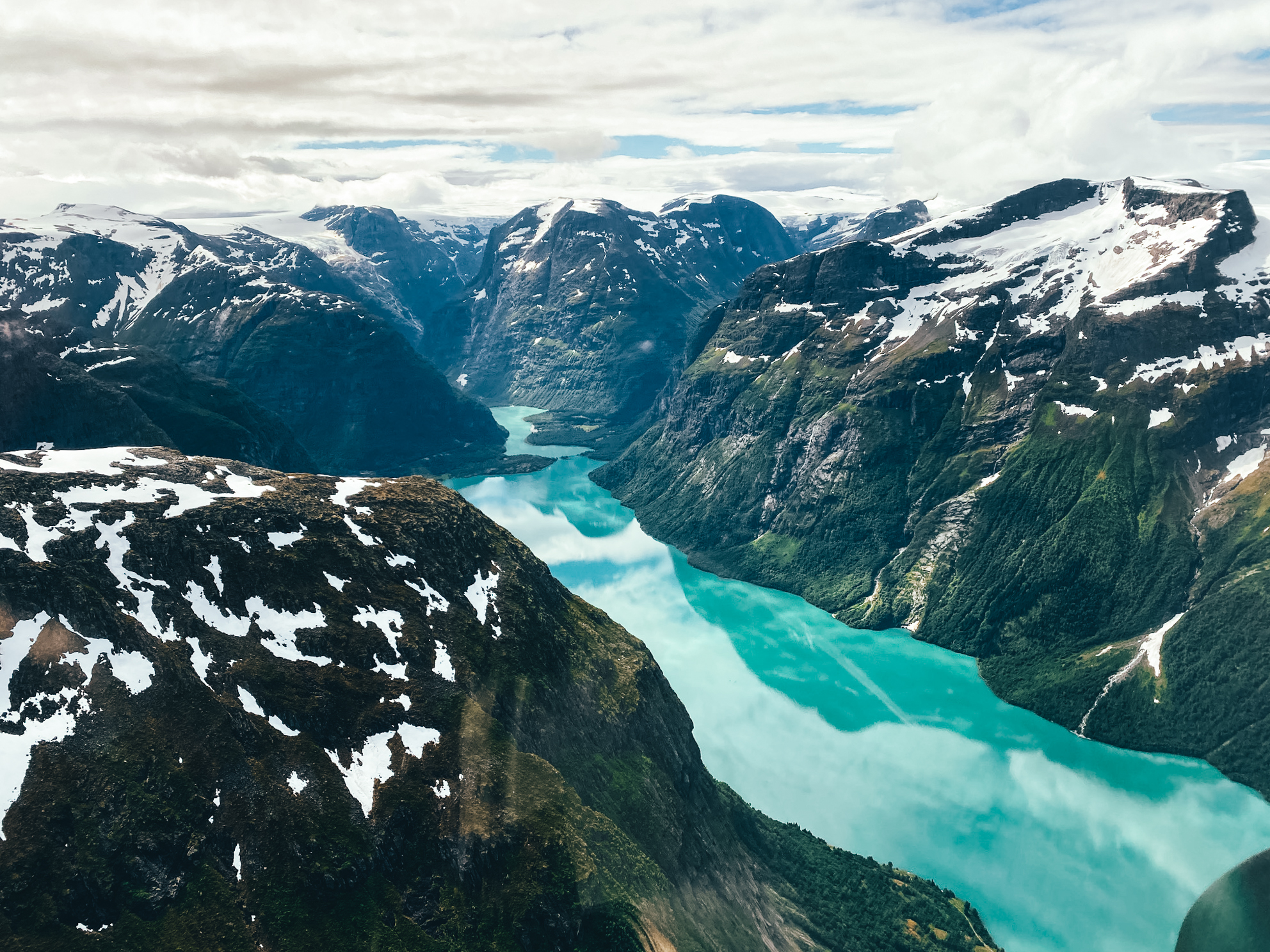
Families and small groups may also appreciate being able to share the experience. Suitability depends on the passengers, group size and planned operation, so mobility requirements and other relevant needs should be discussed when making an inquiry. The H130’s capacity of up to seven passengers may be useful for some private group arrangements.
For photographers, winter provides changing light and broad perspectives that are difficult to achieve from ground level. Professional cameras, specialist equipment and specific photographic requirements should always be discussed in advance. Assignments that require dedicated positioning or production arrangements may need a specialized photo or film service rather than a standard sightseeing flight.
A helicopter tour is also relevant for non-skiers who want to experience alpine scenery and for road-trip travelers seeking a wider view of the region. It should not be treated as a replacement for every ground journey, but it can add a memorable scenic element to a well-planned winter itinerary.
How to Plan and Prepare for a Winter Helicopter Flight
Contact the operator in advance whenever possible, particularly if the flight is part of a tightly scheduled holiday. Provide the preferred date, group size and areas of interest, along with any practical or accessibility requirements. Early planning also makes it easier to allow for weather-related changes.
Winter daylight is limited, so avoid scheduling the flight immediately before a fixed onward connection. If possible, spend an additional day in the region to create flexibility in case conditions are unsuitable at the original departure time.
Dress for winter even if the experience does not include a planned outdoor excursion. Practical layers and suitable footwear are important when moving around the departure area. Follow the instructions provided by Fjord Helikopter rather than relying on general assumptions about helicopter travel.
Charge cameras and phones, clear sufficient storage space and keep equipment manageable. Loose objects require particular care around helicopters, and larger bags or specialist equipment must be mentioned in advance. Passengers primarily interested in photography should explain this when booking so their request can be assessed appropriately.
Transportation to the agreed departure point should also be confirmed directly with the operator. Do not assume a particular heliport, pickup point, landing location or route before receiving confirmation, as these details depend on the flight and current operational requirements.
Experience Western Norway in Its Winter Colors
Snow-covered mountains, white valleys, dark fjord water and seasonal ice give Western Norway a distinctive character when viewed from above. Every flight is shaped by the available light and weather, making flexibility an essential part of the experience.
To inquire about a private winter flight around Stryn, Loen, Olden, Nordfjordeid or Nordfjord, share your preferred dates, group size and the landscapes you would most like to see. Fjord Helikopter can then discuss an appropriate sightseeing option and a weather-dependent route based on the conditions.