
Searching for the best things to do in Stryn often leads to a much wider journey through Western Norway. Stryn is surrounded by fjords, glacier-carved valleys, waterfalls, and high mountains, making it an excellent base for exploring Nordfjord. For travelers seeking even more dramatic scenery, Dalsnibba near Geiranger and Trollveggen in Romsdalen can add two unforgettable mountain landmarks to the itinerary.
Although these destinations belong to the same spectacular region, they are not close enough to be treated as simple stops on a short drive. Stryn lies in Nordfjord, Dalsnibba rises above the Geiranger area, and Trollveggen is farther north in Romsdalen. Fjords, mountain passes, seasonal roads, and indirect routes can make travel times considerably longer than expected.
A well-planned road trip allows visitors to experience each landscape at a comfortable pace. For guests with limited time, helicopter transport and sightseeing can create a more efficient connection while revealing the scale of the terrain from above. Fjord Helikopter AS offers tailored flights based on weather, operational conditions, group requirements, and the priorities of each journey.
Why Stryn Is an Ideal Base in Nordfjord
Stryn occupies a remarkable position between the Nordfjord coastline and the mountains of inland Western Norway. The surrounding landscape changes quickly, moving from peaceful fjord communities and fertile valleys to steep peaks, glacier arms, and elevated viewpoints. This variety gives visitors many options without requiring every day to follow the same pace.
Active travelers can choose from walking, hiking, skiing, cycling, and other outdoor experiences suited to the season and their ability. Guests seeking a more relaxed visit can enjoy scenic drives, fjord views, local food, comfortable accommodation, and short excursions to nearby villages. Stryn also works well for private groups planning a broader route between Nordfjord, Geiranger, Sunnmøre, and Romsdalen.
The town and its surroundings deserve more than a brief overnight stop. A balanced stay allows time to experience the valleys, water, and mountain scenery before continuing toward more distant attractions. It also provides greater flexibility if weather affects a planned outdoor activity or scenic flight.
Essential Things to Do in Stryn
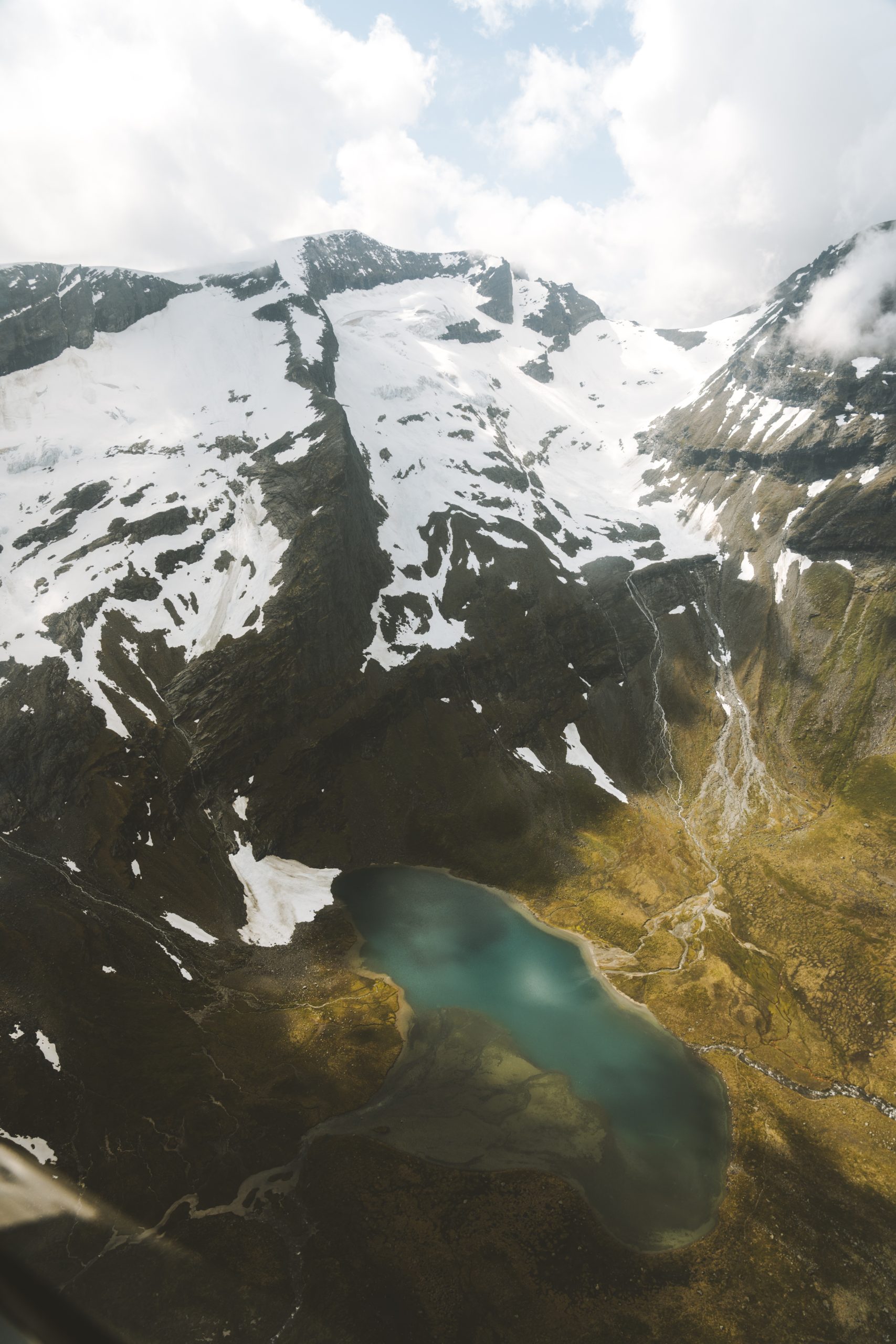
Some of the most rewarding experiences in Stryn are found in the contrast between the lower valleys and the high alpine terrain. Scenic drives through the district provide access to changing views, traditional farms, rivers, lakes, and mountains shaped by ice. Even short stops can reveal a different side of Nordfjord, particularly when light and weather shift throughout the day.
Glacier-influenced landscapes are another defining part of the region. Kjenndalen and the wider Loen area offer impressive examples of valleys formed by glacial movement, while higher terrain around Skåla introduces the scale of the surrounding mountains. Conditions can vary considerably with elevation, so hiking and mountain activities should always be chosen according to the season, weather, and experience of the group.
Loen is a natural addition to a stay in Stryn. Its setting between the fjord and steep mountains creates opportunities for sightseeing at both water level and higher elevations. Visitors can combine a leisurely day beside the fjord with panoramic views, local excursions, or a scenic flight over valleys and glacier country.
Explore Stryn at a Comfortable Pace
It can be tempting to include every famous attraction in a single day, but the area is best enjoyed without a rushed schedule. Mountain roads may be slower than anticipated, while viewpoints and weather conditions often encourage longer stops. Choosing two or three priorities each day usually creates a more memorable experience than constantly moving between locations.
A practical Stryn itinerary might include a morning in Loen, a scenic journey through one of the nearby valleys, and time beside the fjord later in the day. Travelers continuing to Dalsnibba or Trollveggen should consider these local experiences part of the journey rather than simply preparation for the next destination.
Combining Stryn with Dalsnibba
Dalsnibba adds a distinctive high-mountain perspective to an itinerary based in Nordfjord. Located above the Geiranger area, it is known for extensive views across mountains and toward the Geirangerfjord when visibility is favorable. The exposed setting feels very different from Stryn’s green valleys and sheltered waterways.
By road, Dalsnibba should be planned as a substantial regional excursion rather than a quick trip from central Stryn. The route is scenic, but driving times depend on the selected roads, traffic, ferry connections, and current conditions. Access to high-elevation roads is seasonal, and opening dates may vary from year to year.
Travelers with several days available can stay overnight near Geiranger and combine Dalsnibba with fjord sightseeing, waterfalls, and nearby viewpoints. This reduces pressure on the schedule and leaves more time to enjoy the journey. It also provides flexibility if cloud or poor visibility temporarily obscures the mountain panorama.
Dalsnibba from the Air
A helicopter flight offers a different understanding of Dalsnibba and the surrounding landscape. From above, passengers can see how high plateaus, narrow valleys, fjord branches, and mountain settlements fit together. The flight turns the transfer into a scenic experience rather than requiring most of the day to be spent following winding roads.
An aerial view should not be confused with a ground visit. Flying near the wider Dalsnibba landscape provides geographic context and exceptional views, while visiting by road gives travelers time at established viewpoints when access is available. Guests should explain whether they prefer sightseeing, point-to-point transport, or a tailored combination of both.
Every proposed route remains subject to weather, visibility, airspace requirements, aircraft limitations, and operational assessment. Mountain conditions can change quickly, so flexibility is essential even during the summer season. The pilot and operator will always determine whether a route can be completed safely.
Adding Geiranger to the Journey
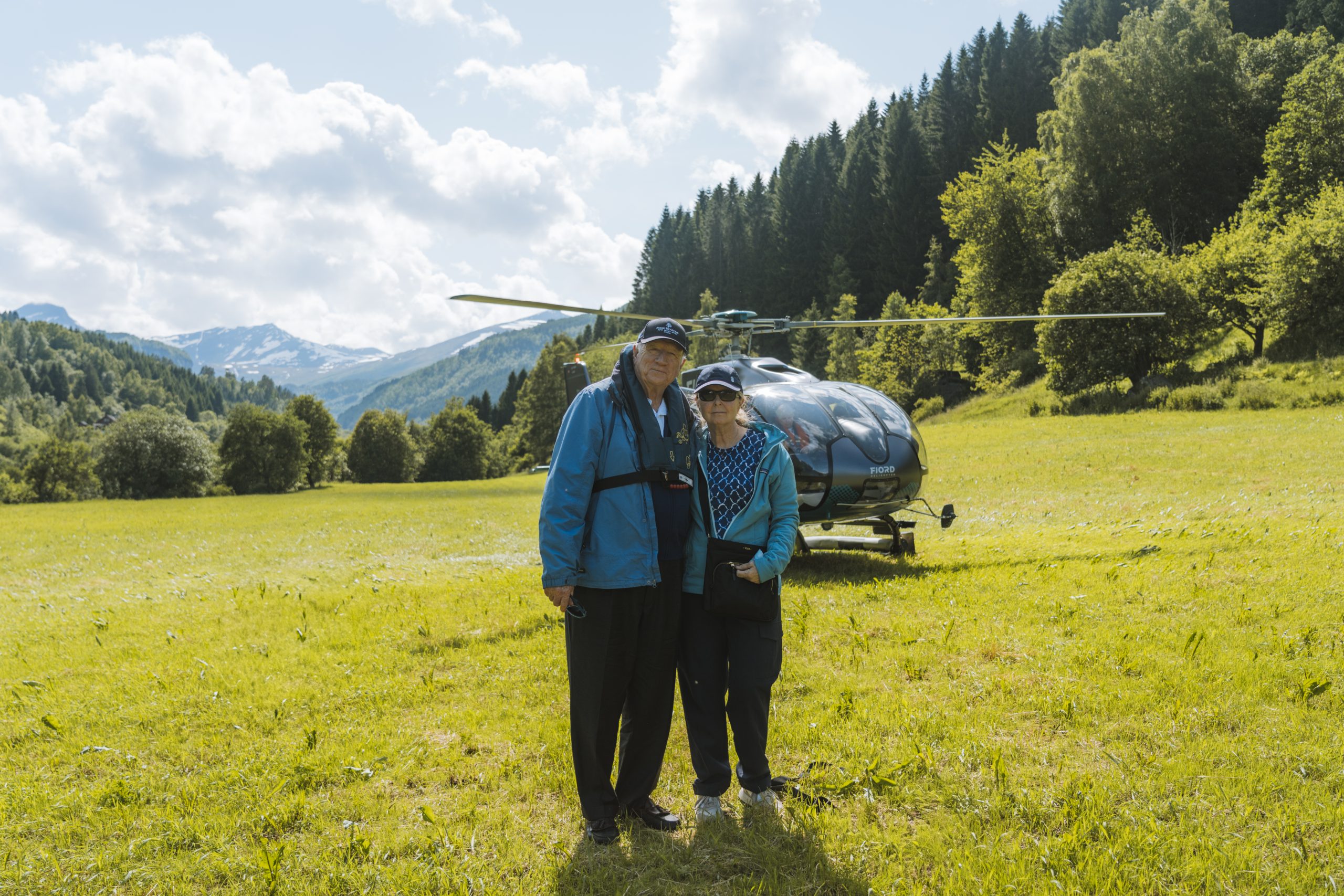
Dalsnibba is closely associated with Geiranger, making the fjord village a logical part of the itinerary. The Geirangerfjord is surrounded by steep mountains, historic farms, and waterfalls that descend toward the water. Experiencing both the fjord and the higher terrain demonstrates the remarkable vertical scale of this part of Norway.
A road-based stay may include viewpoints, a fjord cruise, walks, or time in the village before traveling onward. Visitors arriving by helicopter gain a broad perspective of the fjord system and may see how waterfalls and farms occupy seemingly inaccessible sections of the mountainside. The experience varies with the season, water levels, light, and cloud cover.
Geiranger is extremely popular during the main visitor season, so accommodation and private transport should be reserved well in advance. Travelers who prefer a quieter atmosphere may consider late spring or early autumn, although access to high mountain roads must be confirmed. Winter offers striking scenery but requires an entirely different plan because daylight, weather, and road availability are more restrictive.
How Trollveggen Fits into a Stryn Itinerary
Trollveggen is located in Romsdalen and should normally be treated as a separate stage of a wider journey. It is not a neighboring attraction to Stryn or Dalsnibba, even if the locations may appear relatively close on a regional map. The mountainous geography between them creates longer and more complex travel routes.
For a road trip, the most comfortable option is usually to divide the itinerary across several days. Travelers can first explore Stryn, Loen, and Nordfjord, continue toward Dalsnibba and Geiranger, and then travel into Romsdalen. This progression provides time to appreciate how the landscape changes from broad fjords and glacier valleys to imposing rock walls.
Trollveggen is renowned for its immense vertical scale and dramatic position above the Romsdalen valley. A ground visit allows travelers to stand beneath the formation and appreciate how powerfully it dominates the surroundings. The wider valley, river, railway, and neighboring peaks all contribute to the experience.
Seeing Trollveggen by Helicopter
From the air, Trollveggen becomes part of a much larger mountain environment. An aerial perspective can reveal the shape of the rock wall, the depth of the valley, and the relationship between nearby peaks. This context is difficult to gain from a single roadside viewpoint.
A custom helicopter route may connect Stryn with views toward Geiranger, Dalsnibba, and Romsdalen when conditions and operational requirements permit. Such a flight can be particularly valuable for travelers with limited time, photographers seeking a broader perspective, or private groups arranging efficient transport across Western Norway.
However, the goal should not be to include the greatest possible number of landmarks at the expense of the experience. Route length, fuel planning, baggage, passenger numbers, weather, and landing arrangements all influence what is realistic. Discussing the most important sights in advance allows the operator to propose a suitable plan.
The Best Time to Visit Stryn and the Mountain Regions
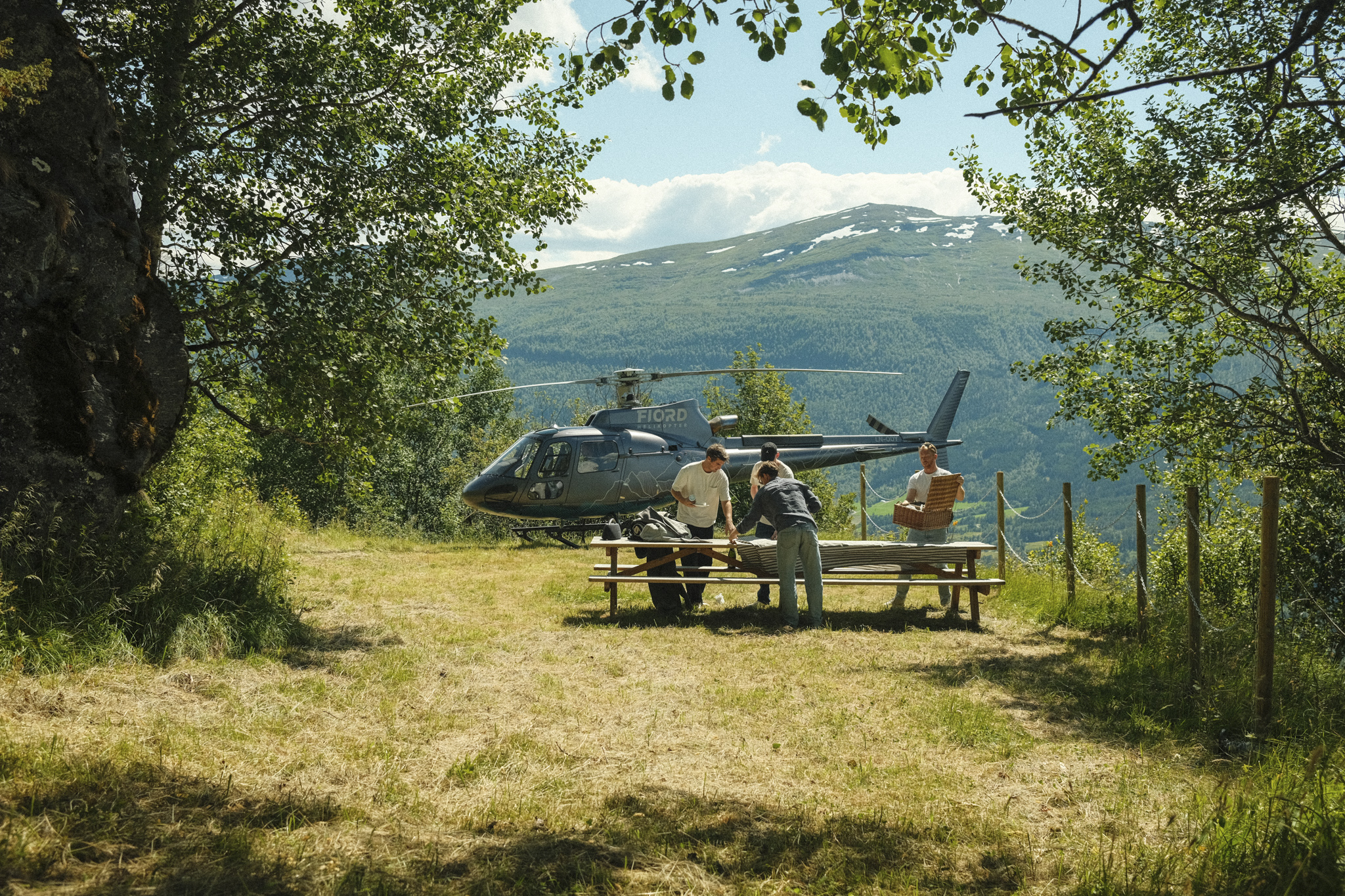
Late spring, summer, and early autumn are generally the most convenient periods for a broad itinerary through Stryn, Geiranger, and Romsdalen. Longer daylight hours allow more flexibility, and a greater number of roads, attractions, and visitor services are normally available. Nevertheless, high-altitude access can remain affected by snow well beyond the end of winter.
Summer is ideal for travelers who want to combine scenic sightseeing with outdoor activities. Valleys are green, waterfalls can be powerful, and the extended daylight makes it easier to plan a full but comfortable day. It is also the busiest period, particularly around Geiranger and other major attractions.
Early autumn can bring quieter roads, softer light, and changing colors in the lower valleys. Conditions at elevation may become colder and less predictable, however, and the first snowfall can affect mountain areas. Winter creates a beautiful landscape but requires realistic expectations regarding road closures, short days, and rapidly changing weather.
Allow Flexibility for Mountain Weather
The calendar alone cannot guarantee suitable flying or viewing conditions. Wind, cloud, precipitation, visibility, and local weather systems all affect helicopter operations. A route may need to be adjusted, delayed, or postponed if conditions are not appropriate.
Whenever possible, schedule a helicopter experience before the final day of the trip. This creates room for changes and reduces the risk of conflicting with an international flight or another fixed departure. Accurate information about passenger numbers, luggage, mobility needs, accommodation, and onward travel also supports better planning.
Designing a Coherent Journey Through Western Norway
Stryn, Dalsnibba, and Trollveggen each offer a distinct view of Western Norway. Stryn introduces the fjords, green valleys, and glacier-shaped terrain of Nordfjord. Dalsnibba brings the journey into the exposed high mountains above Geiranger, while Trollveggen adds the monumental rock scenery of Romsdalen.
Travelers with several days available can experience the route in stages and combine driving with carefully selected local activities. Those working with a shorter schedule may benefit from tailored helicopter transport that turns long transfers into panoramic sightseeing. In both cases, the strongest itinerary is one that respects real travel times, seasonal access, and the unpredictability of mountain weather.
Fjord Helikopter AS can help assess possibilities for private transport and scenic flights from the Stryn region. With clear priorities and enough flexibility, a journey linking Nordfjord, Dalsnibba, Geiranger, and Trollveggen can become an exceptional exploration of Western Norway’s most dramatic landscapes.